How Art Improves the Lives of Canadians and Cultivates Our Collective Souls While Shaping the National Identity
Art holds a central place in defining the Canadian experience. It serves as a mirror, capturing the nation's diverse cultures and histories. Indigenous artwork breathes new life into traditions, while street murals bring local stories to life. Music bridges communities separated by great distances, creating a shared sense of belonging. These artistic expressions full article not only enrich individual lives but also weave a complex fabric of national identity. The true extent of art's impact on community and pride invites further exploration.
The Effect of Indigenous Art on Canadian Identity
Indigenous art markedly shapes Canadian identity, as it not only reflects the diverse cultures and histories of Indigenous peoples but also confronts conventional narratives. This art form acts as a fundamental medium through which Indigenous voices convey their experiences, traditions, and worldviews. Every work, whether it be a painting, sculpture, or textile, embodies singular stories that speak to both Indigenous and non-Indigenous audiences.
Additionally, Indigenous art holds an important place in encouraging unity and awareness among multicultural communities. By showcasing the deep-rooted heritage and enduring challenges of Indigenous peoples, it invites dialogue and promotes a greater understanding of Canada's intricate historical narrative. Public spaces and galleries increasingly feature Indigenous artists, helping their work engage more diverse audiences. This exposure not only broadens the cultural horizon but also aids the renewal of Indigenous languages and practices, ultimately contributing to a more embracing national identity that acknowledges all its members.
Street Murals and Cultural Richness in Canada
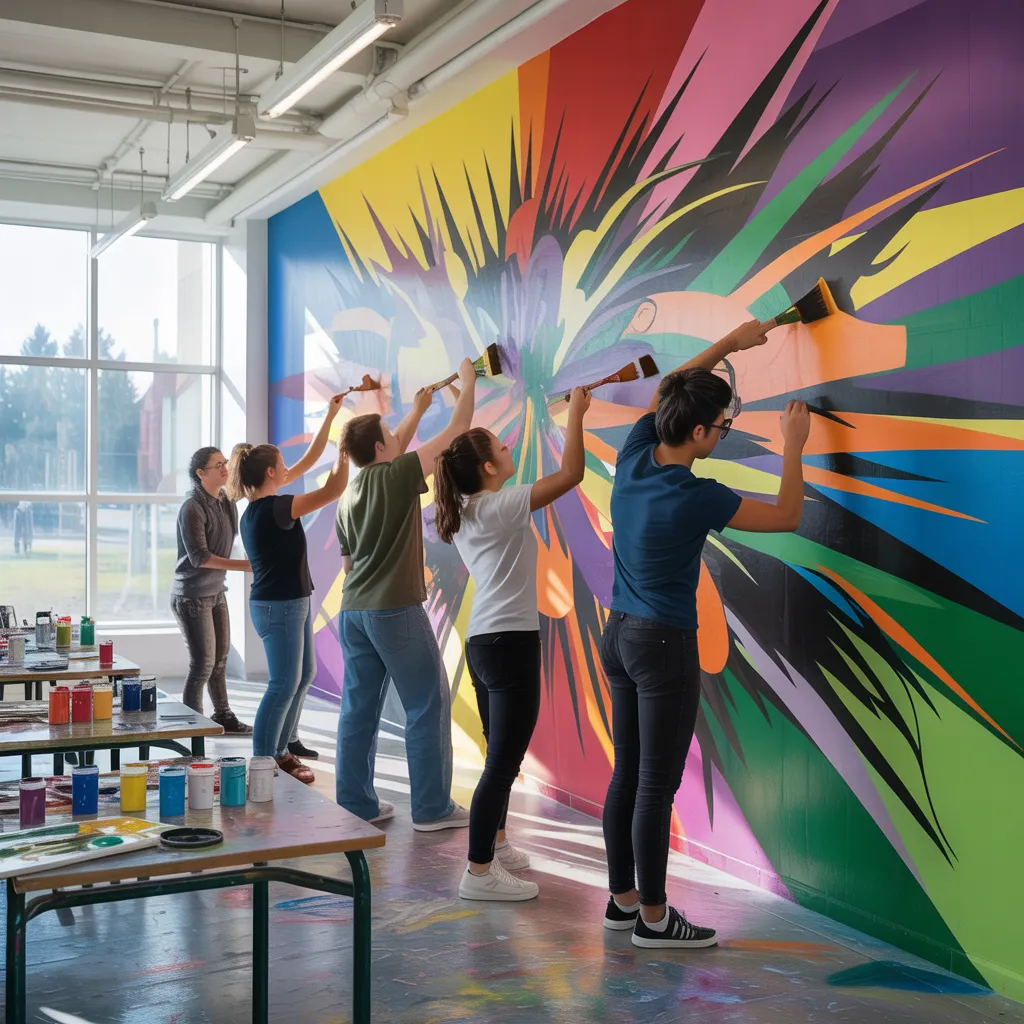
Canadian urban murals serve as powerful visual narratives that showcase the country's diverse cultural heritage. These artistic creations transform city environments, turning everyday spaces into lively reflections of cultural identity and belonging. By means of this art form, artists share stories that reflect the diverse experiences of different cultural communities, encouraging a broader appreciation of what it means to be Canadian.
Honoring Cultural Stories
Throughout Canada, striking city murals function as compelling platforms that showcase the nation's rich cultural diversity. Such murals, often created by local artists, reflect the stories, traditions, and values of diverse communities, fostering a sense of belonging and pride. Not only do they enhance city environments but also encourage conversation among locals and tourists, fostering awareness and appreciation of different cultural narratives. By artistically representing multicultural values, these pieces help forge a unified national identity, highlighting the importance of inclusion. Occasions like mural festivals deepen this bond, bringing people together to celebrate artistic expression. In the end, these murals serve as emblems of the vibrant mosaic of Canadian culture, deepening personal and communal connections through artistic work.
Transforming Urban Landscapes
When examining the dynamic environments of cities across Canada, we cannot help but notice the profound influence of city murals. These striking pieces not only enrich shared environments but also reflect the cultural diversity found throughout Canada. Such pieces function as a medium for overlooked perspectives, telling stories of history, perseverance, and shared identity. Artists from various backgrounds join forces to craft artwork that promote exchange and mutual respect among citizens. Cities like Toronto, Montreal, and Vancouver have welcomed this creative tradition, converting barriers into celebrations of shared heritage and solidarity. As public murals continue to thrive, they reinforce a unified cultural narrative, enhancing the urban experience and deepening the appreciation of residents while honoring the diverse mosaic of their interconnected histories.
How Music Shapes Canadian Community Connection
Music weaves an essential strand through the heart of Canadian society, nurturing connections that cross geographic and cultural divides. In towns and cities across the nation, local musicians and community events establish venues for communal engagement, inviting people from all walks of life to connect and participate. Concerts, festivals, and open mic evenings serve as stages for artistic expression, bringing together members of varied communities under the shared language of music.
Furthermore, music serves a vital function in safeguarding cultural legacies, enabling Indigenous, French, and newcomer communities to exchange their narratives and customs. By encouraging acceptance and comprehension, music reinforces the bonds of society, fostering conversation and unity among Canadians. Neighborhood schools and community hubs often host music programs that develop abilities and create lasting relationships, further enriching community ties. Ultimately, the impact of music within Canada not only enhances individual lives but also fosters a spirit of inclusion and togetherness across the wider community.
How Art Fuels National Conversations
Artistic expression sparks nationwide dialogue by challenging perceptions and stimulating conversations on cultural, social, and political matters. Through various mediums, artists confront critical subjects such as climate change, identity, and immigration, building an arena for meaningful exchange among citizens nationwide. Literature, visual art, and music function as lenses reflecting varied perspectives and lived experiences, fostering empathy and understanding.
Exhibitions, performances, and literary readings frequently ignite discussions, inviting audiences to engage critically with the narratives presented. Such creative works have the power to unite communities, inspiring collective action and advocacy.
Furthermore, artistic works transcend local distinctions, bringing people together from varied cultural origins in mutual discourse. This communal exchange cultivates a sense of belonging and collective identity, as Canadians explore their beliefs and hopes through cultural works. At its core, creative expression functions as a spark for contemplation and discussion, enriching the national discourse and cultivating a more united society.
The Way Art Reflects History and Educates
Artistic expression serves as a crucial historical record, preserving significant events and cultural changes that define Canada's national identity. Through various forms, it communicates cultural narratives that represent the diverse experiences and perspectives within the nation. Moreover, creative expression provides a platform for learning, fostering comprehension and respect of these historical and cultural contexts.
Art As Historical Record
Across the ages, many artistic creations have functioned as irreplaceable glimpses into earlier times, providing insights into the cultural, social, and political landscape. Art captures moments, embodying the essence of specific ages and presenting accounts that supplement written history. Diverse artistic mediums including paintings and sculptures frequently record important events, social transformations, and personal human experiences. As an example, historic artworks may portray conflicts, uprisings, or daily routines, allowing viewers to grasp the emotions and complexities of those times. Furthermore, artistic works are capable of questioning prevailing accounts, presenting contrasting outlooks that broaden our grasp of the past. By immersing oneself in these artistic archives, individuals can educate themselves about the multifaceted nature of their heritage, cultivating a stronger bond with their cultural identity and shared history.
Artistic Expression of Cultural Stories
While often overlooked, the role of visual expression in defining cultural narratives is deep and complex. Art serves as a mirror reflecting societal beliefs, hardships, and victories, bringing together the fabric of history and identity. Through various forms—sculpture, painting, and photography—artists capture pivotal moments and sentiments, allowing viewers to grasp the complexities of their collective past. To illustrate, Indigenous art frequently communicates stories of resilience and connection to the land, while current artistic creations may critique modern societal issues. These cultural productions shed light on the rich array of experiences defining Canada, cultivating a greater appreciation of its rich multicultural heritage. At its core, art does more than record history as it also nurtures a collective story, deepening the exchange of cultural ideas across Canada.
Education Through Artistic Expression
Creative expressions greatly enhance educational experiences by providing unique lenses through which history can be understood. Artistic works, including paintings, music, and literature, act as mirrors of social values and historical frameworks, enabling people to connect with historical events more meaningfully. Such creations not only embody the spirit of particular periods but also provoke critical thinking and emotional responses. For instance, Indigenous art often narrates stories of resilience and cultural identity, fostering awareness and appreciation of diverse perspectives. By integrating art into educational curricula, pupils acquire knowledge of their cultural identity and communal past. This approach cultivates compassion and awareness, ultimately enriching the educational landscape and reinforcing a shared connection to Canada's multifaceted history.
Enhancing National Pride Through Common Artistic Experiences
Art serves as a significant vehicle through which Canadians can build and develop a sense of collective pride, as common artistic encounters foster a collective identity. Cultural festivals, art exhibitions, and performances bring together multicultural communities, enabling people to commemorate their heritage while acknowledging the richness of others. This cooperation fosters a deeper connection among Canadians, reinforcing the notion that art rises above linguistic and regional boundaries.
Furthermore, art featuring national symbols—including the renowned landscapes depicted by Canadian painters—awaken a sense of unity and shared heritage. These portrayals function as powerful reminders of Canada's exceptional beauty and guiding values. As Canadians engage with art collectively, they concurrently connect with their national narrative, deepening their pride in their cultural identity. Ultimately, these shared experiences not only enhance individual appreciation for the arts but also contribute to a cohesive national identity, celebrating the multifaceted nature of Canadian culture.
Questions We Often Receive
How Does Art Influence Mental Health in Canadians?
Artistic engagement significantly affects emotional wellness in Canadians by promoting the expression of emotions, reducing stress, and enhancing overall well-being. Participating in various art forms promotes meaningful connection and self-reflection, adding positively to both individual and collective psychological health outcomes.
What Impact Do Art Festivals Have on Local Economies?
Art festivals notably strengthen local economies by generating tourist activity, driving sales among local businesses, and generating short-term employment opportunities. They foster community engagement and facilitate cultural exchange, ultimately improving economic prosperity and social harmony throughout the region.
How Can Art Education Be Improved in Canadian Schools?
The quality of art education in Canadian schools can be elevated by integrating diverse artistic practices, increasing funding for resources, fostering partnerships with local artists, and promoting integrated learning strategies that bridge art and other disciplines to enhance student engagement and creativity.
What Lies Ahead for Digital Art in Canada?
The outlook of digital art in Canada seems encouraging, with technological advancements encouraging artistic innovation. Increased accessibility to creative digital resources will probably inspire up-and-coming artists, promoting innovation and collaboration within the artistic community.
How Does Art Promote Environmental Awareness Among Canadians?
Artwork fosters awareness of environmental issues across Canada by visually illustrating ecological issues, encouraging open discussion, and fostering a feeling of accountability. Through various mediums, it encourages individuals to contemplate their relationship with nature and promote environmentally responsible living.